- Blog
- Guide to German Emission Stickers
Guide to German Emission Stickers
Find out which emission sticker your cars need, where to buy the stickers, and where green zones apply in Germany.
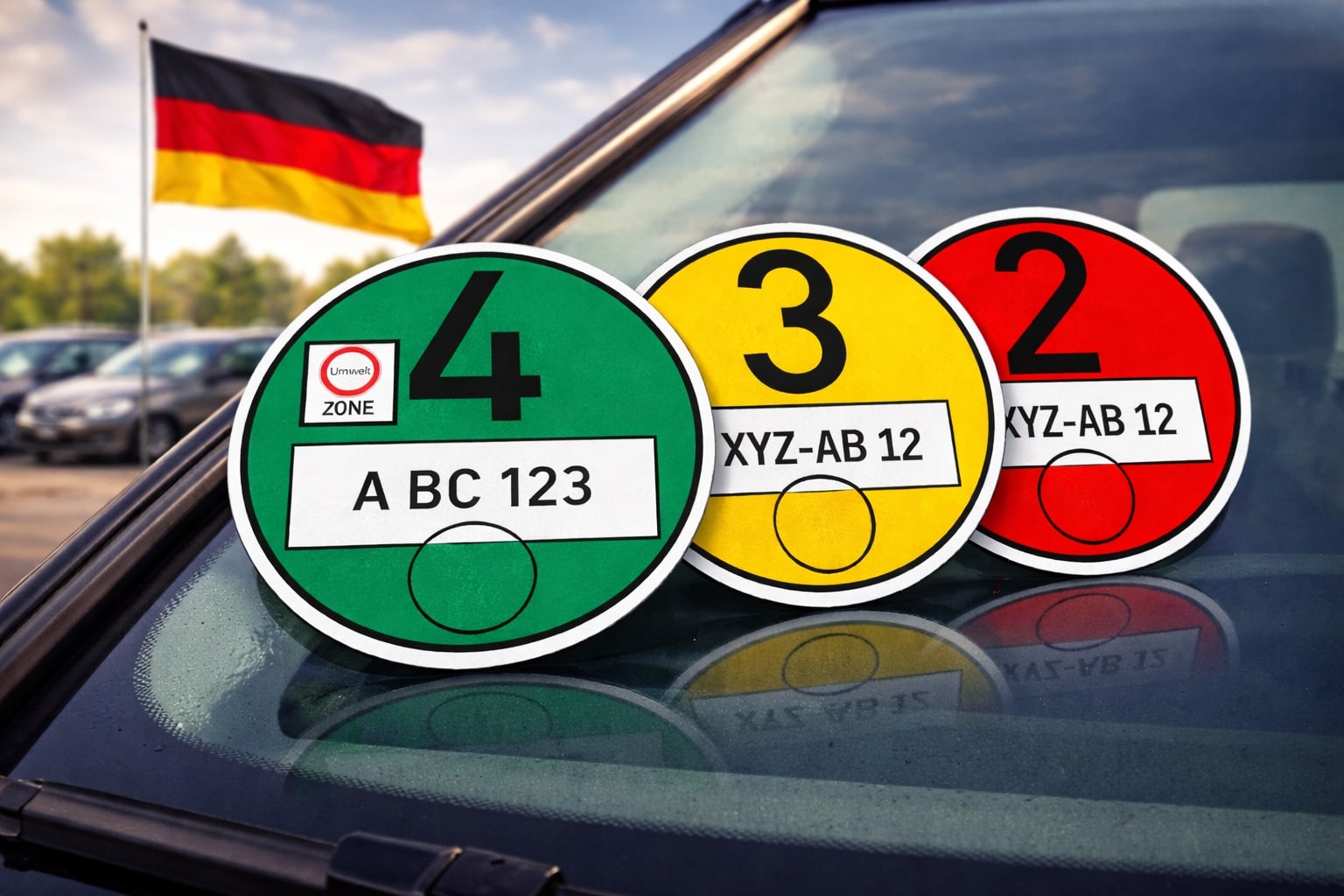
Selling and driving cars in Germany means that you’ll encounter the emissions sticker (Umweltplakette).
This colored sticker shows the emission class of a vehicle, and it determines if the car can enter low-emission zones across many German cities.
As a dealer, you should be ready to answer customer questions about which sticker a car needs, how to get it, and where they can drive the car.
In this guide, you’ll see how the system works, and how to handle the stickers when preparing your cars.
How to obtain Umweltplakette
- Prepare the car’s papers. The sticker is linked to the plate, and the Euro standard is listed in the registration papers.
- Choose where to buy the sticker. You can go to TÜV/DEKRA/registration offices or order online.
- Provide the vehicle details. Show or upload the registration document so they can see the Euro emission class and issue the correct sticker.
- Place the sticker on the windshield. Stick it inside the windshield on the passenger side.
What is the German emission sticker - Umweltplakette?
The German emission sticker is a windshield sticker that shows the car’s emission class.
You’ll sometimes see people referring to it as the German clean air sticker, as it was introduced to reduce air pollution in city centers with a lot of traffic.
Only the vehicles with the correct sticker are allowed to enter low-emission zones (Umweltzonen).
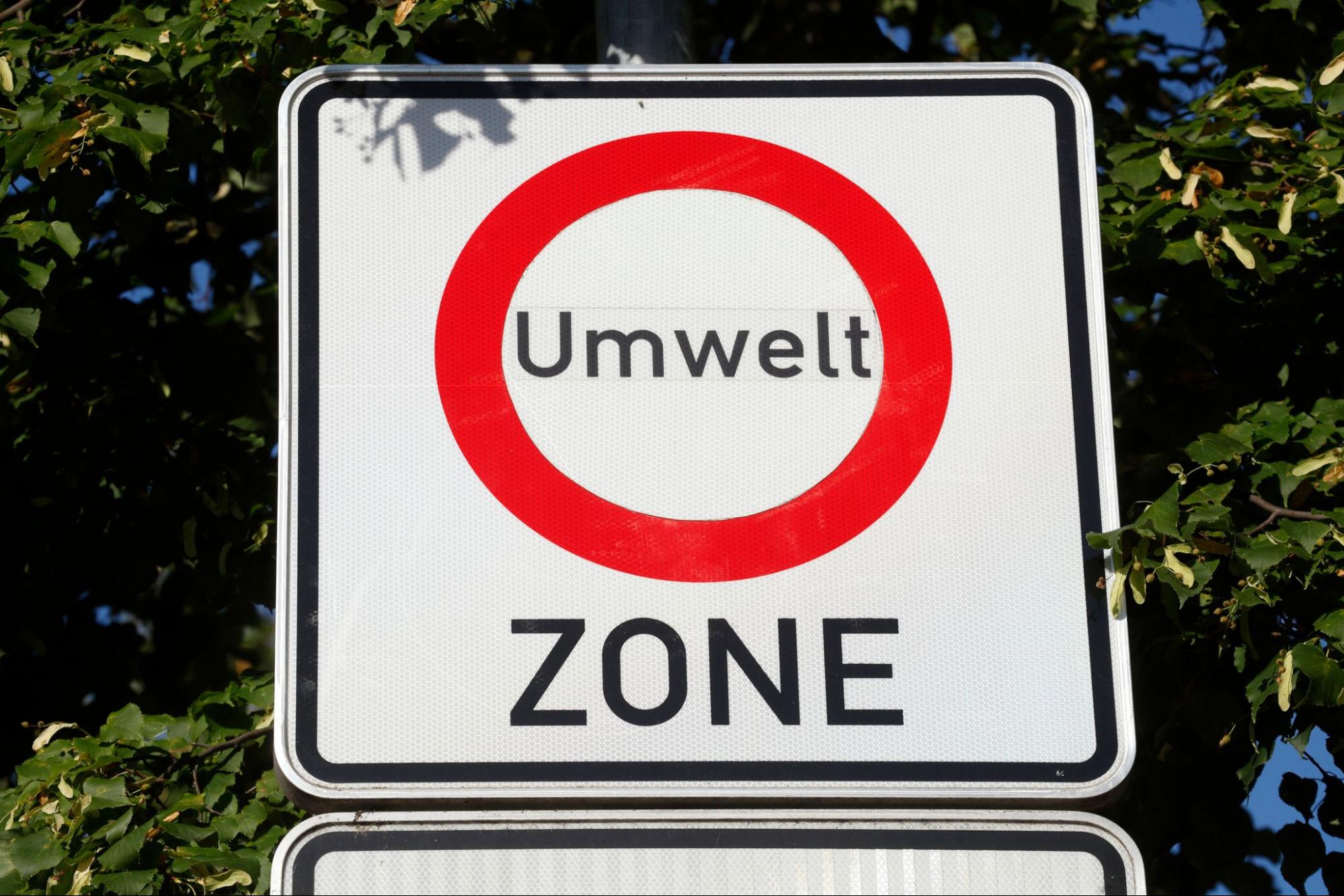
And if you’re not planning to drive in low-emission zones, your car doesn’t need a sticker, as stickers are not obligatory on regular roads.
Types of emission stickers
Cars and other vehicles are divided into three categories based on their emissions, and each category has its own color.
The red sticker is used for older vehicles with higher emissions, which are rarely accepted into low-emission zones.
The yellow sticker is given to vehicles with moderate emissions.
The green sticker is reserved for vehicles with the lowest emissions. The cars with this sticker are allowed into most low-emission zones.

Source: German Emission Sticker
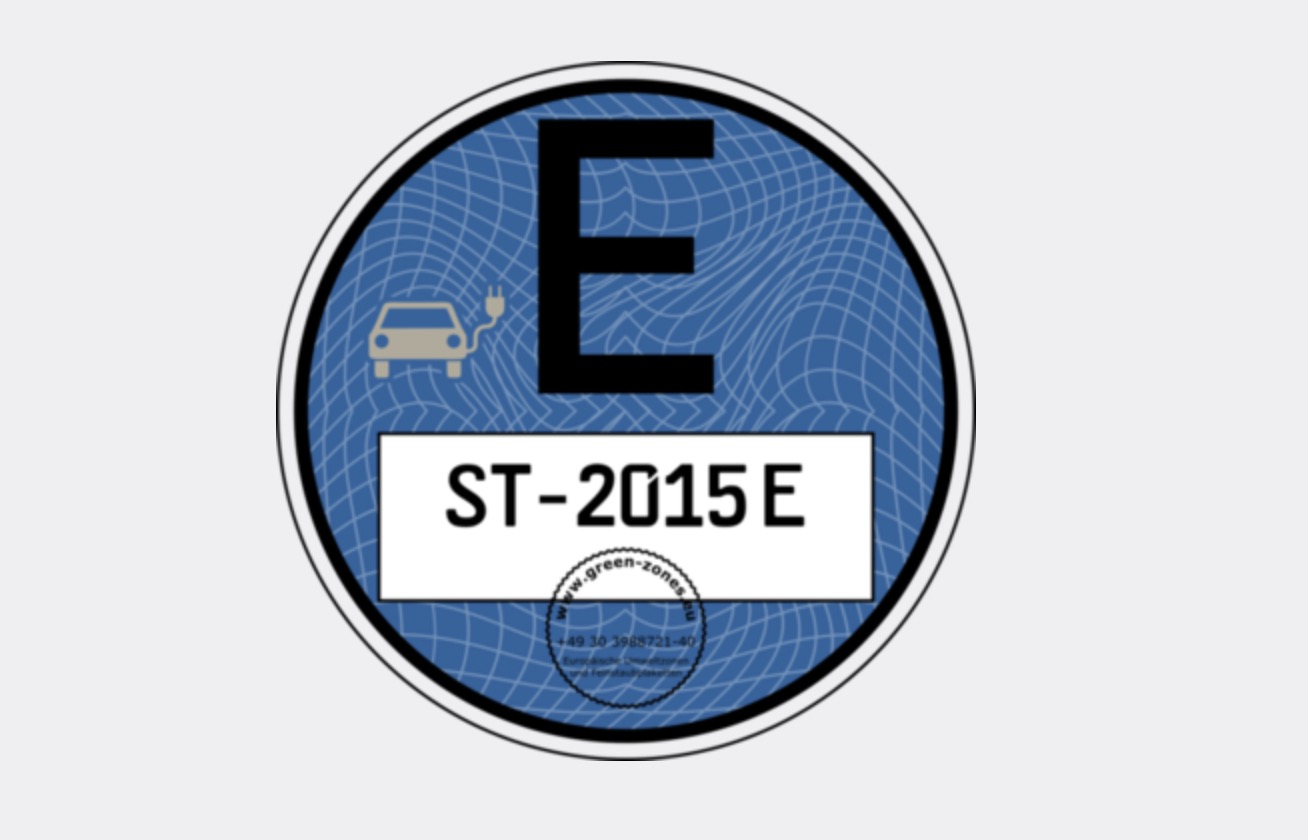
You may also see a blue E-Sticker on some cars.
Source: Green Zones
The blue sticker is not a part of the Umweltplakette system. It’s used for foreign electric vehicles, so that they can enjoy EV privileges in Germany (like entering EV areas only).
Electric or low-emission cars registered in Germany don’t need this sticker because their licence plates already include the “E” at the end.
This gives them the same privileges without an additional badge.
Do you need emission stickers for cars on your dealership lot?
The short answer is: no.
There’s no legal requirement for cars to have the Umweltplaketten.
You only need an environmental sticker if you want to enter an environmental zone. So, if a car stays on your dealership lot, you don’t need to buy a sticker.
However, if your potential buyers are likely to take cars to test drives in low-emission zones, you could buy the stickers ahead.
How to get an emission sticker in Germany?
The process of getting an emission sticker is easy.
You’ll need to prepare the car’s registration documents because the sticker is linked to the car’s registration number, and it’s issued based on the emission class listed there.
► Where to buy it - options for car dealers
You can buy the sticker in person or online.
If you’d like to buy it in person, go to inspection centres like TÜV or DEKRA. You may even buy a sticker at some petrol stations along the Autobahn, but keep in mind that they’re not available at every station.
Buying emission stickers online is even easier, especially for traders who import several vehicles to Germany at once.
Online services let you upload the registration document and get the sticker delivered to your dealership, which saves time when preparing multiple cars.
Some of the reliable services include:
There are many other providers, but their prices are usually higher.
► Cost of Umweltplakette
The most affordable option is to get the sticker through official channels. For instance, you can get the sticker in person at TÜV or DEKRA for under €10.
Online shops and workshops usually charge more, often around €20, because of shipping fees.
► Where to place it on a car?
Place the sticker on the inside of the windshield on the passenger side. You should place it low so that it doesn’t obstruct the view.
► How long is the sticker valid?
The Umweltplakette does not expire. It stays valid for the lifetime of the car as long as the license plate number on the sticker matches the number on the car.
You’ll need to get a new sticker only if you change license plates or if the original sticker gets damaged and becomes unreadable.
Do emission stickers affect vehicle resale value or purchase decision?
Because stickers show the car’s emission class, buyers may still prefer vehicles that qualify for a green sticker.
This means that cars that can receive a green sticker are easier to sell, especially in urban areas.
Similarly, cars with yellow or red stickers may take longer to sell, since many cities no longer allow them into low-emission zones.
Some buyers also consider Germany’s Motor Vehicle Tax (Kfz-Steuer), which is higher for vehicles with more CO₂ emissions.
Lower-emission cars usually cost less in terms of tax, which makes them more attractive.
Of course, remember that stickers are not obligatory, so well-maintained older cars can still sell well if buyers don’t need access to low-emission zones.
Emission groups and appropriate emission stickers
Before you buy or sell a car in Germany, it helps to know which emission group the vehicle belongs to.
The Euro standard tells you which sticker the vehicle can get and whether it can enter low-emission zones.
The table below shows which standards can get which stickers.
|
Emission group |
Typical standards |
Sticker color |
Allowed in low-emission zones? |
|
Group 1 |
Petrol/diesel Euro 1 or lower |
No sticker |
No |
|
Group 2 |
Petrol Euro 1, diesel Euro 2 |
Red |
Mostly no |
|
Group 3 |
Petrol Euro 2, 3, diesel Euro 3 |
Yellow |
Often not allowed (many cities require green only) |
|
Group 4 |
Petrol Euro 4+, diesel Euro 4, 5, 6 |
Green |
Yes |
Green zones - where are Umweltplakette required?
Green zones (Umweltzonen) are usually located in city centres or other busy areas. Besides large cities like Berlin, Munich, Stuttgart, Cologne, and others, these zones are present in around 70 cities.
To enter them, vehicles must have the correct emission sticker, which in most cases means the green sticker.
Green zones are clearly marked with signs at city entrances, so drivers know exactly when the rules apply.
Penalties and enforcement
If you enter a low-emission zone without the correct sticker, you’ll pay a fine of €80.
Local police and city officials check vehicles inside the zones. If your car doesn’t have a readable sticker, they treat it as if it has no sticker at all, so be sure it’s clearly visible and in good condition.
Exemptions and special cases
Some vehicles don’t need stickers for green zones, and these are:
- EVs registered in Germany
- Motorcycles
- Emergency vehicles and public service vehicles
- Foreign electric vehicles (they may use the blue E-Sticker for EV privileges)
Additional diesel bans in Germany
CO₂ emission restrictions are expanding across the EU, and Germany has added extra rules for older diesel vehicles in addition to the sticker system.
For instance, Stuttgart has two diesel traffic ban zones that don’t allow Euro 5 or worse vehicles.
Darmstadt has also banned diesel vehicles from two streets.
As you can see, most cities rely on the sticker system, but there are some additional diesel rules that you should keep in mind to stay compliant.
FAQ
► What color are stickers for electric vehicles and hybrids?
Electric vehicles and most hybrids get green stickers.
► Do car dealers order emission stickers or customers?
Anyone can order the stickers, but dealers usually handle that while preparing the car for sale.
► Can you drive diesel vehicles in Germany?
Yes, you can. Most diesel cars that qualify for a green sticker can enter low-emission zones without problems. However, a few cities have extra restrictions for older diesels on specific streets.
Import pojazdów z Europy może być skomplikowany, ale eCarsTrade jest tutaj, aby uprościć ten proces. Dowiedz się, jak: